
The Turkish coffee ritual — and where to find it in the Valley
Cezve coffee and tulip-glass tea in Agawam: foam, fortunes, UNESCO, and why baklava wants unsweetened kahve. The Valley’s full stop after a sofra.
· Culture
Pioneer Valley coffee culture is real: third-wave counters, college towns, a diner still doing a bottomless mug that tastes like the 1980s on purpose. Turkish coffee is none of those, and it is not espresso with a costume. It is a grind finer than espresso, a cezve, cold water, sugar declared before the heat if there is any sugar at all, and a foam — köpük — that tells you the pot was handled with respect. The grounds stay in the cup. You sip past them. When you are done you may invert the cup and let someone read the shapes. UNESCO listed the culture, not the caffeine, in 2013. A cup is remembered for forty years, the proverb says. We will settle for you remembering Walnut Street until next week.
Where to find it in the Valley: here, after a meal, or as the pause that says the conversation changed key. We are not the only hot drink in Western Mass, and we will not map every café that once bought a cezve. What we can say is that a sofra which ends with a soda can has skipped its last courtesy. Tea is the daylight ritual — Rize in a tulip glass, color judged by eye. Coffee is the ceremonial full stop. Confusing them is how you look like you read one article.
The ritual is small on purpose
Water is often offered first, in Turkey, before the coffee. Sugar is sade, az, orta, şekerli — none, a little, middle, sweet — chosen before the brew. You do not stir in a syrup after. You do not ask for oat milk as if the grounds were a latte canvas. The second rise in the cezve is not theatre for Instagram; it is how you keep foam without boiling the soul out of the pot. If it boils like stew, start over. Heat it as if it might take offence.
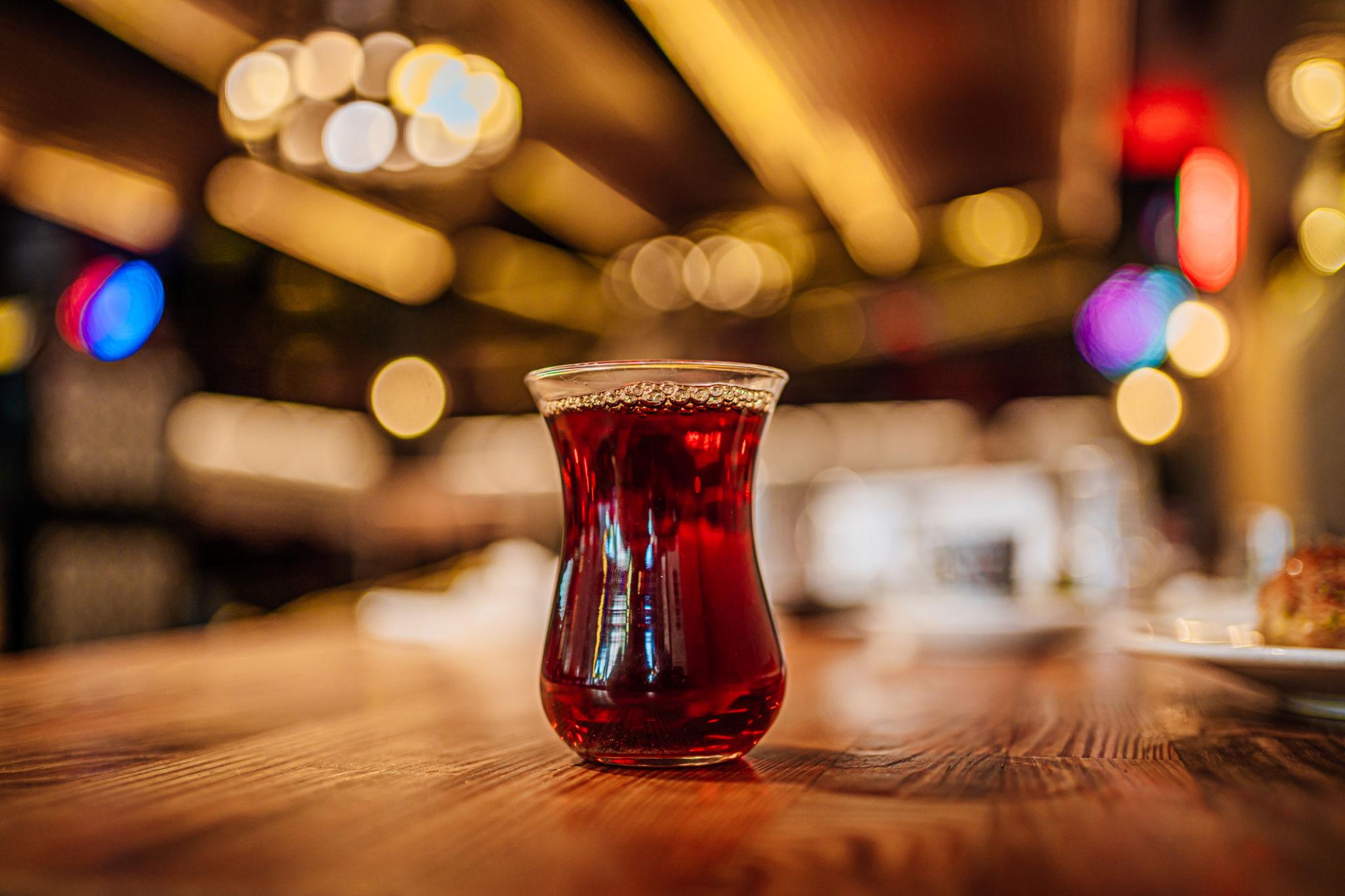
After pistachio baklava, unsweetened coffee is the correct religion — the pastry already did the sugar’s work. Tea after baklava is also correct, and more common. Coffee after a heavy mix grill can feel like a dare; tea is kinder. Ayran belongs with the meat, not after the sweet. If you are a first-timer in Agawam, take the tea even if you think you are not a tea person. The first glass is for thirst. The second is for the table. The third is how you tell the kitchen you were happy to stay.
A paper cup with a lid is a commute. A cezve is a sitting. The Valley has enough commutes.
Fortunes, foam, and what we will not mystify
Tasseography — reading the cup — is a pastime, not a sacrament we charge extra for. If a friend wants to look, look. If you want caffeine without folklore, drink it and go. We will not hire a mystic. We will not print horoscopes on the saucer. The intangible heritage is the sitting: unhurried, slightly ceremonial, grounds as evidence that this was not a capsule machine.
At home in the 413: buy a cezve, grind as fine as you can, do not walk away from the heat, capture the foam into the cups, return the pot for a second rise. Throw away the tea bag while you are at it. A small pot of Rize, two minutes of patience, a glass you can see through. That is the pair. Everything else is a café. And if you cannot be bothered, come to Agawam, eat something that required charcoal, and let us handle the last five minutes. The park can keep its energy drinks. The dining room will keep the cezve.
One hospitality note that survives the ocean: refusing tea once is polite hedging. Refusing twice can read as a closed door. At our table, if the baklava crumbs are being counted, say yes to one glass. Coffee, if you want the fortune as well as the full stop, is the slower yes. Either way you have found Turkish coffee in the Valley without a scavenger hunt — 365 Walnut St Ext, Agawam, the same town as the river and the park, a different kind of heat.