
The Turkish breakfast (kahvaltı) as a ceremony, not a meal
Why kahvaltı is a spread, not a plate: cheeses, olives, kaymak, menemen, simit, and tea poured until 3 PM.
· Culture
Kahvaltı literally means “before coffee.” That etymology is a clue. The meal that opens a Turkish day is not designed to be efficient. It is designed to delay the first serious cup, to put cheese and olive and bread in the way of hunger, and to make conversation the main course. In Van, the breakfast is a tourist pilgrimage of twenty-plus small plates. In a village house it might be olives, beyaz peynir, tomatoes from the garden, and a pot of çay that never empties. The grammar is the same: many things, none of them rushed, tea as the metronome.
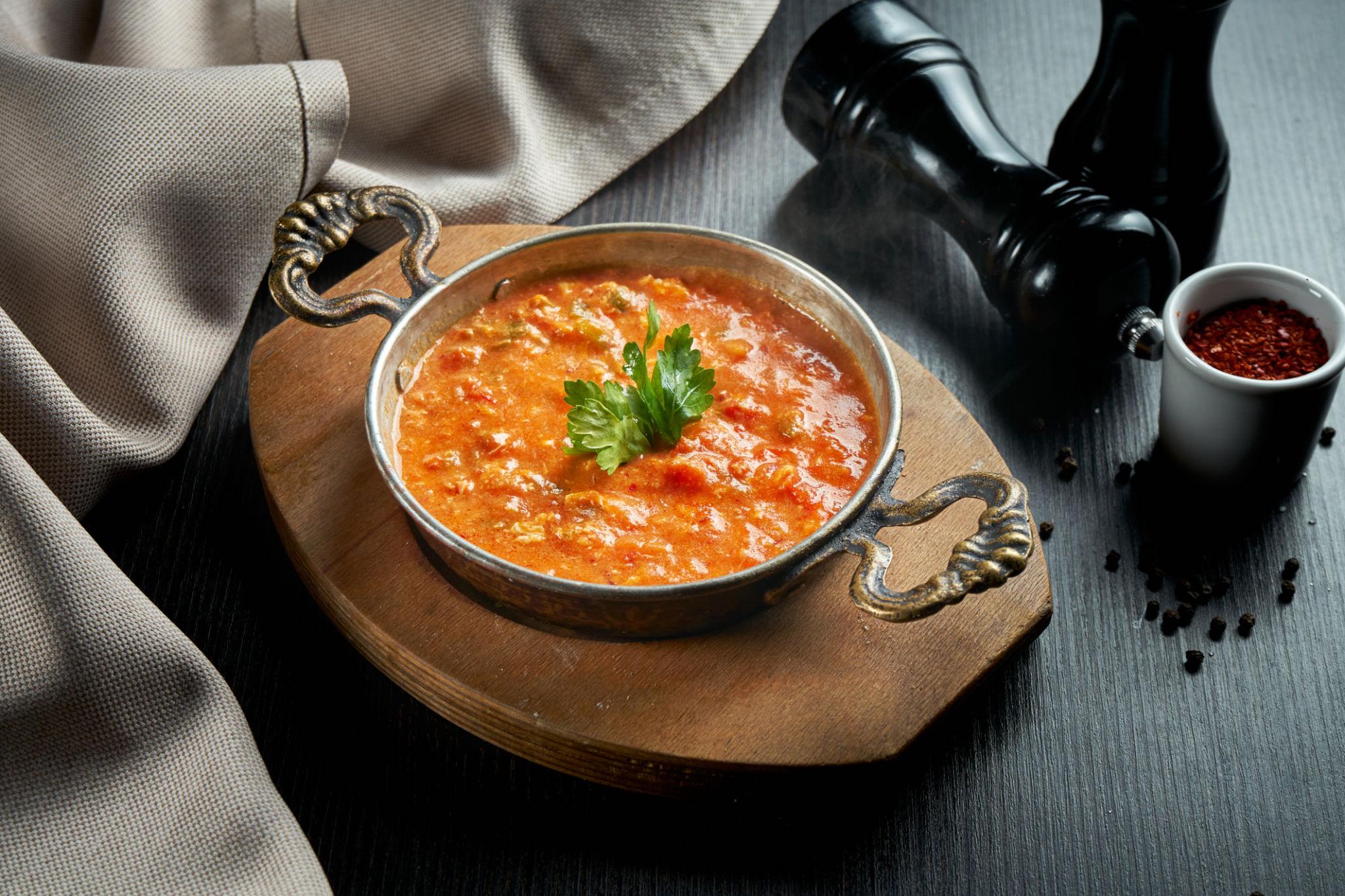
Western breakfasts tend to be a single idea — eggs, or cereal, or a pastry. Kahvaltı is a landscape. You build bites. White cheese with honey. Tulum or kaşar with cucumber. A wrinkle of black olive against kaymak so thick it is almost clotted cream. Sucuk, the garlic-and-cumin beef sausage, fried until the fat stains the eggs. Menemen, which is not scrambled eggs with a bit of pepper but a slow collapse of tomato and green pepper into which eggs are folded just before they set. If the tomato is not the star, you have made an omelette and called it menemen.
The ceremony has props
Simit — the sesame ring — should be bought the same morning, still elastic. Recycled simit is a bagel’s tired cousin. Kaymak, traditionally from water buffalo, is the luxury: ivory, faintly sour, meant to be married to honeycomb. Olives are not a garnish; they are a column of the meal, green and black, sometimes cracked with lemon, sometimes oily enough to perfume the bread. There will be jam, often sour cherry or rose, and a cucumber that tastes of cucumber. If the produce is an afterthought, the ceremony has already failed.
Tea is not a beverage on the side. It is the structure. Rize çay, grown on the steep Black Sea, is brewed strong in the upper kettle of a çaydanlık and diluted from the lower. It is served in ince belli glasses — the “slim-waisted” tulip — so you can see the color and so the glass cools just enough to sip. You do not drink one. You drink until someone puts a hand over the glass. Sugar is optional and, among people who care about tea, slightly suspect. Breakfast ends when the pot is empty or when 3 PM arrives, whichever comes first.
In Turkey, breakfast is not a meal — it is a ceremony. We honor that with a spread, not a skillet dumped on a plate.
10 AM – 3 PM, every day
At Cappadocia the breakfast kitchen is open until 3 PM, seven days. That cutoff is cultural as much as operational. After 3 PM the mangal takes the house; the morning cheeses would look lost beside Adana. Until then we lay a serpme-style table: the Good Morning Plate for one hungry guest, menemen and sucuk for people who want a pan, gözleme for the fold-and-eat instinct. We cannot reproduce a Van breakfast hall in Agawam. We can refuse to treat Turkish breakfast as “eggs, Turkish-style.” If you come at 10:15, sit down as if you have nowhere else to be. That is the only authentic way to eat it.
One practical note for first-timers: do not try to finish every dish as if it were an American combo platter. Kahvaltı is a tasting of the larder. Take a little of five things, pour more tea, take a little of five more. The waste that worries you is less important than the rhythm. And if you are still hungry at 2:50 PM, that is what gözleme is for — a last hot fold before the grill lights in earnest.