
Pioneer Valley meze: the Anatolian table in the 413
How a Pioneer Valley table learns meze — hummus, babaganoush, piyaz, çiğköfte — and why the 413 already understands a shared plate once you skip the…
· Culture
The Pioneer Valley already knows how to put food in the middle. Church suppers, farm dinners, a Dominican table in Springfield, a Greek name-day, a potluck in Northampton that ran long because nobody wanted to leave the bread. Meze is not a foreign idea here. It is a foreign vocabulary for a habit the 413 already has: many small things, passed, argued over, refilled. What we brought to Agawam is the Anatolian version of that habit — olive oil as a column of the meal, chilli as punctuation, yogurt as cool weather beside the grill.
Meze is the greeting. Before anyone is allowed to be hungry for Adana, the table gets hummus, haydari or a cousin of cacık, ezme that should make you reach for bread immediately, piyaz with enough acid to cut the bean, maybe çiğköfte if you want heat that does not need meat. Cold first, because cold can sit. Hot meze after, because sigara böreği and a fried kibbeh die on the plate if they wait. A cook who sends the hot stuff first has misunderstood the clock.
A 413 translation
In Istanbul a rakı table might run twenty plates. We are a neighborhood restaurant in Agawam — a Pioneer Valley dining room, not a meyhane on the Bosphorus. The translation that matters is not plate-count. It is refusing to treat dips as an afterthought between a cocktail and a steak. When Pioneer Valley guests order “just the mix grill,” we still want something cold on the table. Lemon in the mouth first makes charcoal louder. That is not upselling. That is pacing.
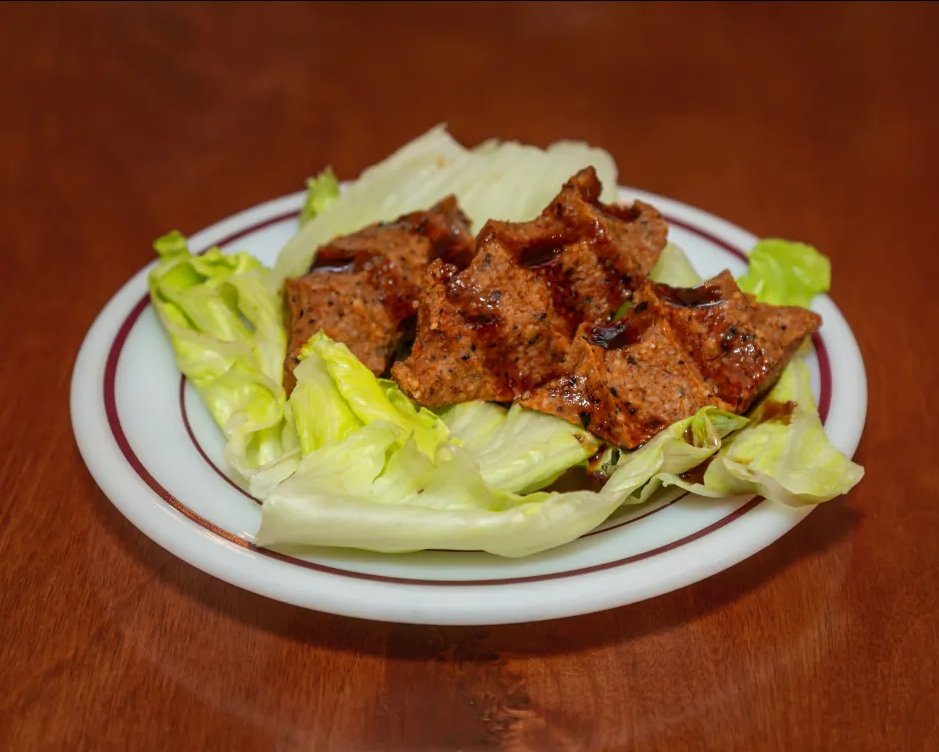
Vegetarian and vegan guests in Northampton and beyond often arrive braced for a sad grilled vegetable. Turkish meze is the opposite of a concession: hummus, babaganoush, piyaz, çoban, lentil soup, potato gözleme, çiğköfte. Meat eaters should order those too. The grill is not jealous. If you only eat Adana, you have skipped the conversation that makes Adana interesting.
The 413 already knows a shared plate. Meze is just the Anatolian dialect of a habit this valley never lost.
How to order it on Walnut Street
For two people, a meze selection plus one extra dip is an opening, not a meal. For four, add a hot meze and a salad. For six, you are in sofra territory: hummus is not optional, and a second chilli plate keeps the table generous. Build your table if you want the kitchen to receive one ticket instead of scattered mains. The complimentary meze with a main course is our house way of saying the greeting should not be a line item you have to justify.
Bread is part of meze. Tear it. When the ezme remains and the bread is gone, ask for more bread, not a fork. Forks turn meze into a salad bar. Fingers keep it a conversation. Olive oil on the hummus should pool, not decorate. If a dip tastes only of garlic, someone in the kitchen was nervous. Ours should taste of chickpea and tahini in conversation, lemon as punctuation, garlic as a rumour.
Pioneer Valley dining has been called farm-to-table until the phrase tired itself out. Meze is farm-to-table without the lecture: beans, peppers, herbs, yogurt, a chilli that remembers a different sun. We cannot grow isot in Agawam the way Urfa dries it. We can refuse to treat the opening of the meal as filler. Sit down as if you have somewhere to be tomorrow, not in twelve minutes. That is how a 413 table becomes an Anatolian one — chilli and tahini opening a meal the Valley already knows how to share.
If you are coming from Northampton, Amherst, or Holyoke, the drive is a Valley drive, not a pilgrimage. Park, sit, tear bread. The 413 already knows how to linger when the food is passed. We are not asking you to become tourists in your own county. We are asking you to let chilli and tahini open a meal that Springfield-adjacent tables have been closing too fast. Order the meze selection. Add çiğköfte if you want a story with heat. Then decide whether the mangal is a second chapter or tomorrow’s errand.