
Meze culture: how a Turkish table begins
Cold first, then hot: hummus, ezme, piyaz, haydari, and why a sofra without meze is a meal that skipped its greeting.
· Culture
Meze is the greeting. Before anyone is allowed to be hungry for meat, the table is covered with small plates that argue, gently, about olive oil, yogurt, chilli, and herbs. The word is shared across the eastern Mediterranean — mezze, meze, mazza — and the idea is older than national borders: you open appetite with acidity and salt, you pour something to drink, you talk. In Turkey the meze tray is especially tied to rakı tables by the sea, but it is equally at home inland, beside a mangal, with ayran instead of anise.
There is an order, even when it looks like chaos. Cold meze arrive first: hummus, haydari or cacık, ezme, piyaz, lakerda if you are lucky, stuffed vine leaves, a shepherd salad. They can sit. They are meant to sit. Hot meze follow — sigara böreği, calamari, içli köfte, a grilled liver — because they die on the plate if they wait. A cook who sends hot meze first has misunderstood the clock of the table.
Dips are not the same dip
Hummus should taste of chickpea and tahini in conversation, lemon as punctuation, garlic as a rumour. If it tastes only of garlic, someone was nervous. Babaganoush — or our smokier eggplant cousin — must taste of fire; pale steamed eggplant is a different dish and should admit it. Piyaz, the white-bean salad of the south, is not “beans with dressing.” It is beans, sumac onion, tahini, and enough acid to cut the starch. Çiğköfte, which we treat at length elsewhere, sits on the meze table as a vegan heat that does not need yogurt to be complete.
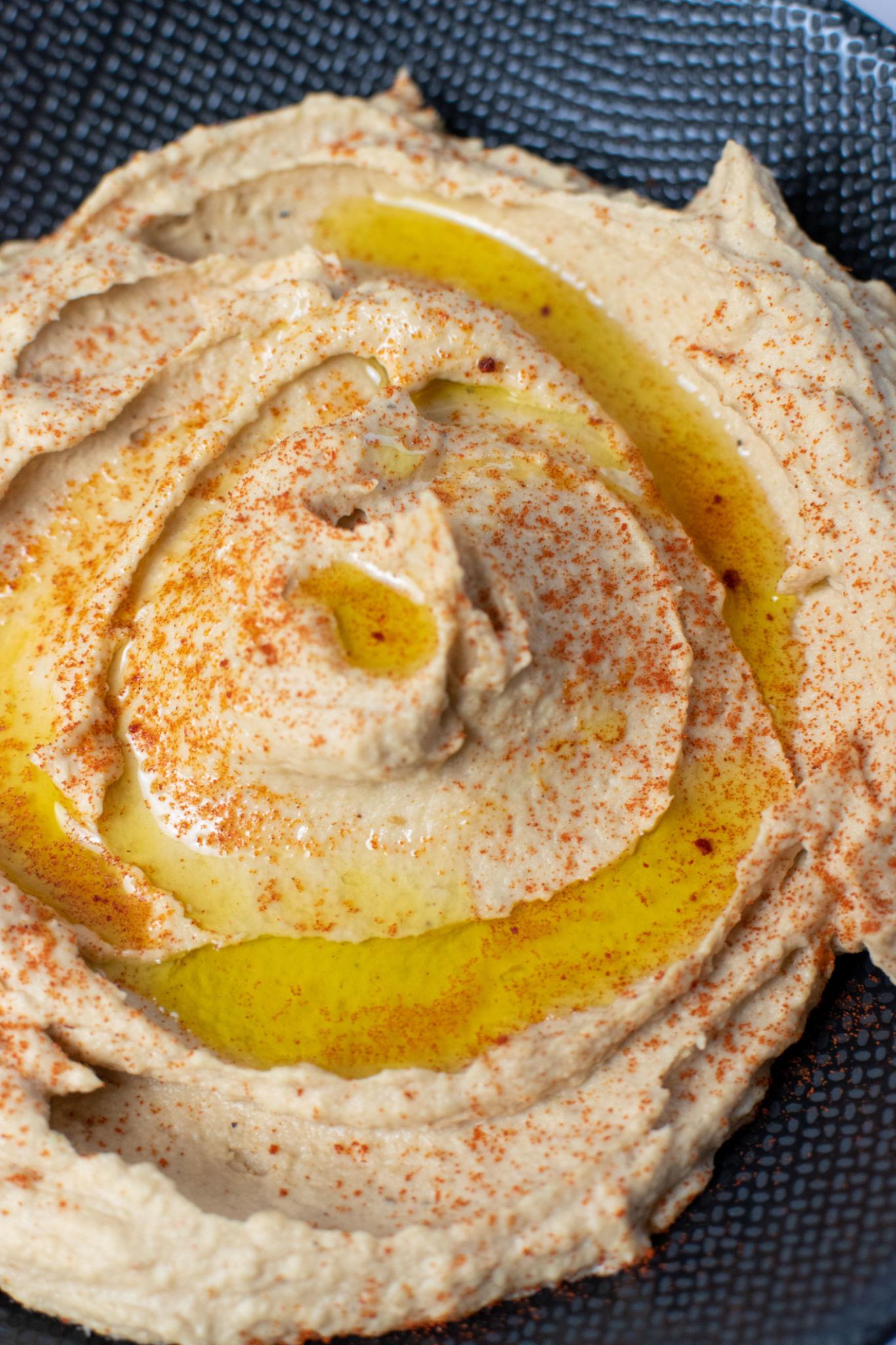
Olive oil is a meze ingredient, not a diet note. The zeytinyağlı tradition — vegetables cooked in oil and served cool — is a whole branch of the cuisine: artichoke, beans, eggplant. Those dishes are often better the next day. They are the opposite of the grill’s theatre, and a good restaurant needs both tempos. We cannot run a thirty-item meze trolley in Agawam. We can refuse to treat cold appetizers as an afterthought between the cocktail and the steak.
Every guest who enters is, in the Turkish tradition, a gift from God. Meze is how you show you understood the gift.
How to order it here
For two people, a meze selection plus one extra dip is enough to open. For four, add a hot meze and a salad. Do not skip this course because you “came for kebab.” The kebab will taste louder if your mouth has already met lemon, tahini, and chilli. If you are building a sofra in our builder, the first step is meze for a reason: the kitchen should receive the table as a table, not as a ticket of mains.
Last: bread is part of meze, not a basket to fill time. Tear it. Drag it. When the bread is gone and the ezme remains, ask for more bread, not a fork. Forks are how meze becomes a salad bar. Fingers are how it stays a conversation.
A word on ezme, because it is the chilli that tells you where you are. In the southeast it is almost a salsa of tomato, pepper, onion, and isot, pounded, not diced into a pico. In Istanbul it can be milder. Ours leans south: you should want the next piece of bread immediately. If your forehead does not register the pepper, we were too polite. Meze is allowed to be impolite. That is how it earns the grill that follows. On Walnut Street that greeting is the same: sit, tear bread, then we talk about Agawam traffic.