
Çiğköfte: the ancient vegan dish with a 4,000-year story
From the Urfa legend of raw meat and fire to today’s bulgur-and-isot paste: how çiğköfte became the vegan meze on our table.
· History
Çiğköfte means “raw köfte.” That name is a fossil. For most of its life in Şanlıurfa and Adıyaman, the dish was raw minced beef or lamb kneaded for half an hour with fine bulgur, isot pepper, onion, and tomato paste until the meat “cooked” in chilli, salt, and friction. The origin story is older than the Republic: the prophet Abraham (İbrahim), the tyrant Nimrod, a fire so total that cooking meat was forbidden, and a woman who kneaded raw flesh with bulgur and spice until it was edible. Like all good origin stories, it is theology, agronomy, and advertising at once. It says: this city made a meal out of a catastrophe.
In the 2000s, Turkish food-safety law made street-sold raw-meat çiğköfte effectively impossible. The trade did not die. It converted. Today the çiğköfte you buy from a cart in Istanbul, and the çiğköfte we serve in Agawam, is vegan: bulgur, isot, pepper paste, pomegranate molasses, sometimes walnut, no animal. Purists still make the meat version at home for weddings. Both are “real.” One is legal to sell. We serve the one you can order without a private kitchen and a very trusted butcher.
Kneading is the cooking
Whether or not meat is present, çiğköfte is not a salad you toss. It is a paste you knead until the bulgur hydrates from the vegetables and the oil of the peppers, and the whole mass turns a deep rust. Under-kneaded çiğköfte is gritty. Over-oiled çiğköfte is mud. The heat should come from isot, not from a bottle of “hot sauce.” Lemon at the table is mandatory. A leaf of romaine or a square of lavaş is the utensil. You wrap, you bite, you reach for more lemon. Yogurt is a valid companion but not a requirement; this is one meze that does not need to be tamed.
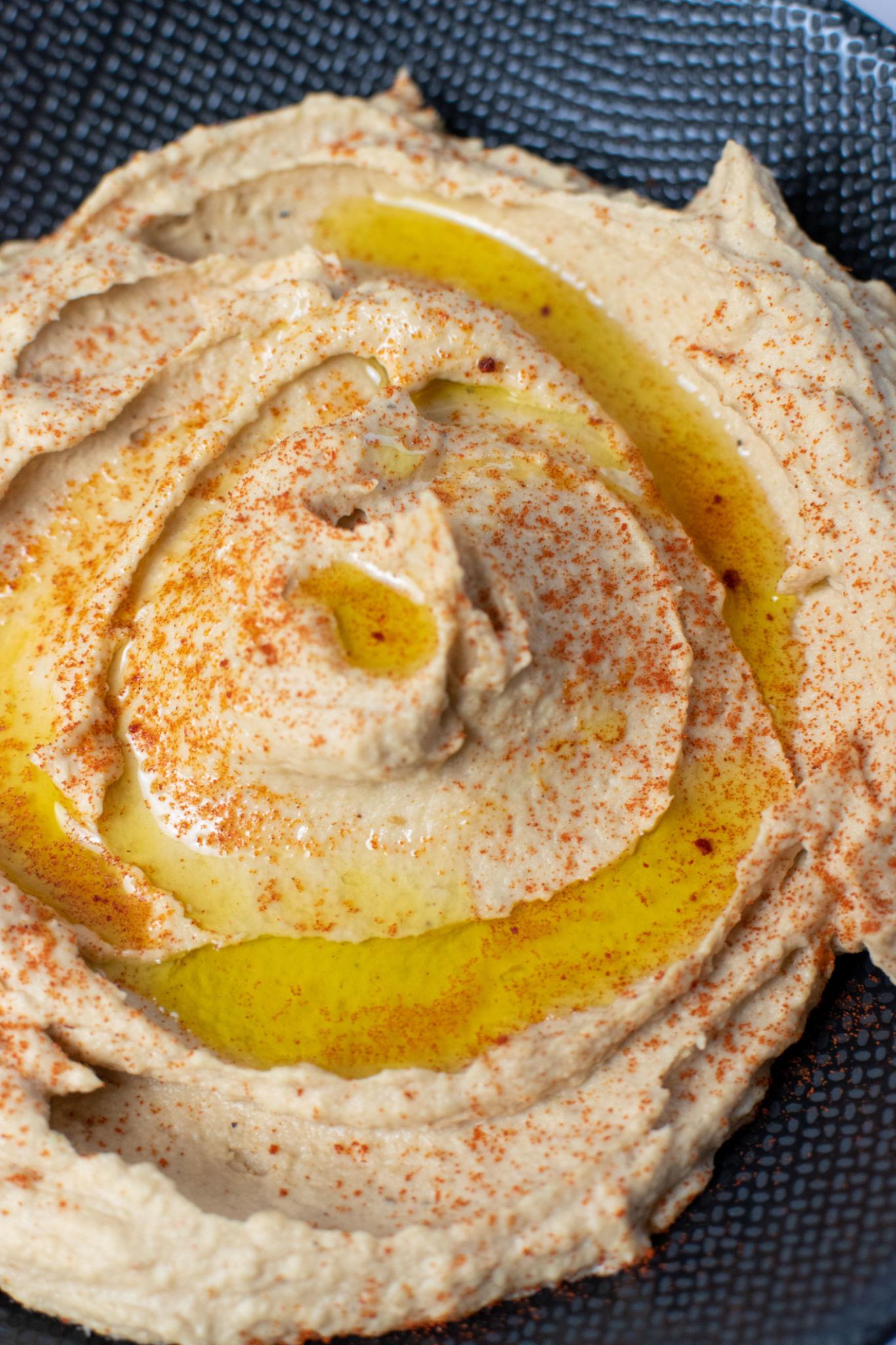
Four thousand years is a round number. What is not round is the labour: thirty minutes of knuckles, a pepper that tastes of Urfa’s sun, and lemon.
Why vegan diners should care: this is not a “plant-based option” invented to fill a spreadsheet. It is a dish whose public life became vegan because a whole country’s street food had to adapt, and the adaptation kept the flavor. The isot, the bulgur, the molasses, the knead — those were always the soul. The meat was a luxury that the legend itself treats as almost accidental.
Eat it at the start, with the other cold meze, not as a main. It is too rich and too spicy to be a centerpiece unless you are in Urfa and the usta has made it the point of the night. Here, it is a greeting with a story. Order it if you eat vegan. Order it if you do not. The lemon will not check your identity at the door.
If you try it at home, buy the finest köftelik bulgur you can find. Coarse bulgur is for pilav and will never surrender. Wear gloves if you have a paper cut. Isot stains like history.
The 4,000-year figure is the folkloric horizon of the Nimrod story, not a carbon date on a recipe card. What we can date is the pepper: isot as Urfa knows it is a product of a specific sun and a specific drying. What we can taste is the knead. Between legend and law — raw meat banned from the street, bulgur kept as the soul — çiğköfte became one of the few ancient dishes whose public form is more vegan now than it was in living memory. That is not a trend. That is a cuisine adapting without losing its heat.